Tile flooring is one of the most durable, beautiful, and practical investments you can make for your home. Whether it’s the elegant porcelain in your entryway, the classic ceramic in your kitchen, or the moisture-resistant slate in your master bathroom, tile is built to handle heavy foot traffic and daily wear and tear.
However, there is a catch. While the tile itself is incredibly easy to wipe down and maintain, the lines running between those tiles tell a completely different story.
Over months and years, your bright, clean grout lines slowly begin to darken. What started as a crisp white or soft beige transforms into a patchy, unsightly gray or brown. Before you know it, your entire floor looks aged and dingy, no matter how often you sweep and mop.
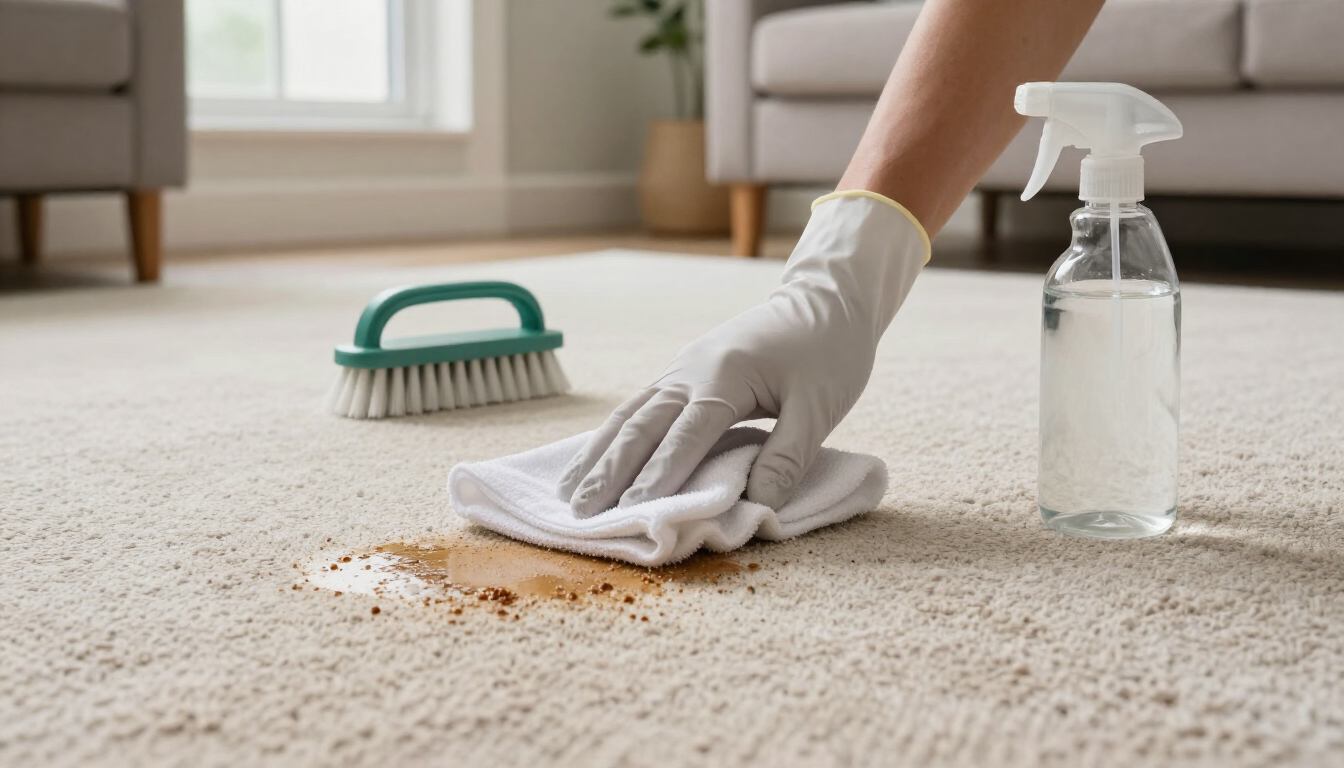
When this happens, most homeowners buy an assortment of harsh retail cleaners, get down on their hands and knees with a stiff toothbrush, and spend hours scrubbing. Unfortunately, DIY tile and grout scrubbing is exhausting, frustrating, and rarely yields the dramatic, uniform results you want.
At
Charlotte's Carpet Cleaning, we treat more than just soft fabrics—we specialize in complete hard-surface restoration. If you are tired of scrubbing your floors with nothing to show for it but a sore back, here is the scientific reason why DIY cleaning fails and how professional restoration brings your floors back to life.
1. The Chemistry Problem: Grout behaves like a giant sponge
To understand why surface mopping and retail spray cleaners fail to clean grout, you have to look at the material itself. Unlike porcelain or ceramic tile, which is fired at high temperatures to create a smooth, completely non-porous glazed surface, grout is a highly porous mixture of cement, sand, and water.
Think of grout as a hard, microscopic sponge running through your floor. When you mop your tile with standard household soap and water, the mop bucket quickly becomes dark and dirty. As you push that wet mop across the floor, the dirty water naturally pools into the low-lying grout joints.
The porous cement instantly wicks that dirty water deep into its core. The water eventually evaporates, but the microscopic dirt particles, cooking oils, and pet dander remain permanently trapped deep within the grout’s internal structure. Standard surface scrubbing simply cannot reach the dirt embedded deep underneath the surface.
2. The Danger of Using Bleach, Vinegar, and Harsh DIY Solutions
When retail cleaners fail, many homeowners turn to online home remedies, reaching for highly acidic household items like white vinegar or intense alkaline chemicals like straight laundry bleach.
Why this is a dangerous mistake:
- Vinegar and Acids: Grout is an alkaline, cement-based product. Applying an acid like vinegar creates a microscopic chemical reaction that actively dissolves the cement binders holding the grout together. While it might pull a bit of dirt out initially, it permanently weakens the grout, causing it to become brittle, powdery, and prone to cracking and crumbling out of the joints completely.
- Bleach and Harsh Soaps: Direct bleach can chemically bleach out dyed grouts, leaving you with permanent, patchy discoloration. Furthermore, household dish soaps leave behind a sticky chemical film. This invisible residue acts like a magnet for dirt, causing your floors to re-soil twice as fast after you finish cleaning them.
3. The Professional Edge: Truck-Mounted Heat and Direct Extraction
The only way to truly clean porous grout lines is to emulsify the deep-set oils and blast the trapped dirt out using high-powered vacuum extraction.
At
Charlotte's Carpet Cleaning, we don't rely on elbow grease and mops. Our specialized tile and grout restoration process utilizes the advanced power of our truck-mounted cleaning systems:
- Targeted Alkaline Pre-Treatments: We apply specialized, non-toxic cleaning agents designed to break down organic grease, body oils, and embedded soils on a molecular level.
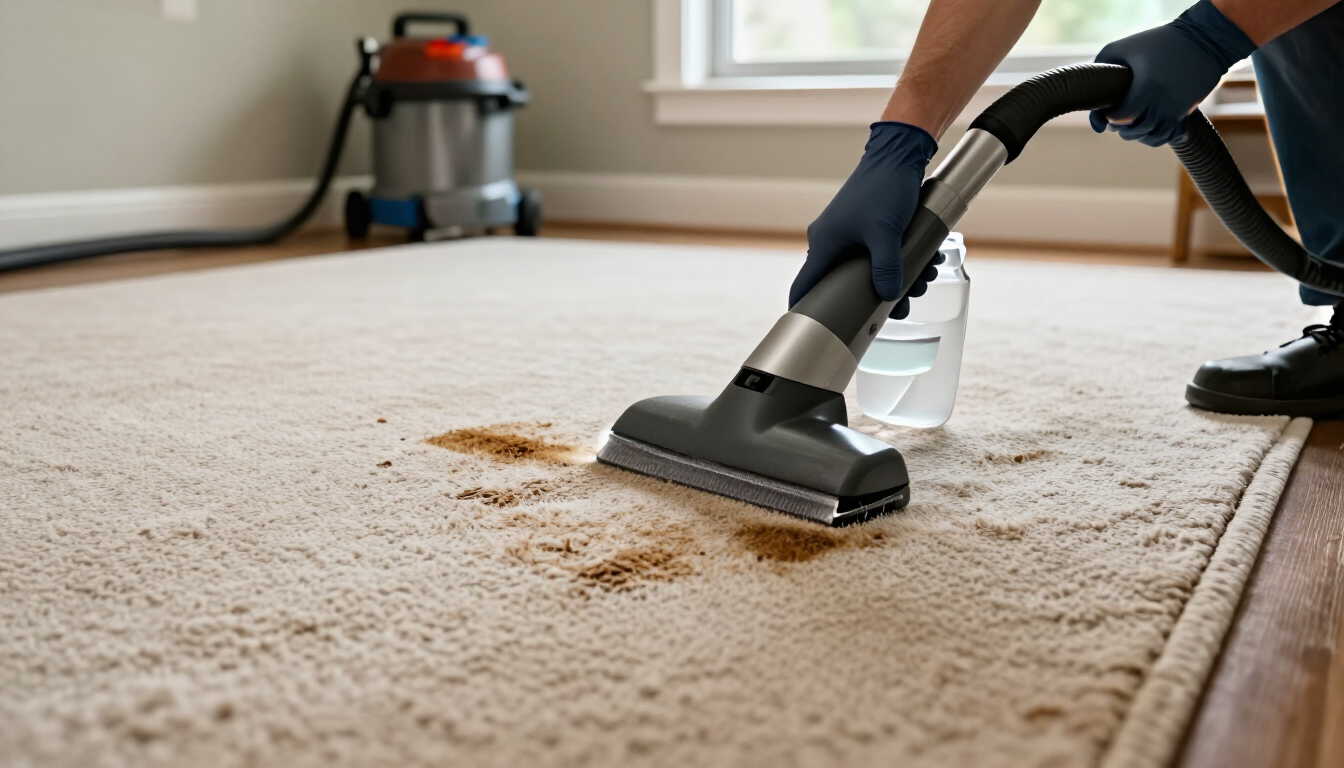
- Super-Heated Pressurized Rinsing: We use a specialized hard-surface tool that injects water heated to over 200 degrees directly into the grout joints at controlled high pressure. This instantly liquefies the trapped dirt.
- Continuous Vacuum Extraction: Simultaneously, the tool utilizes high-volume vacuum suction to draw the dirty water completely out of your home and into our waste tank. Your floors are deeply sanitized and dry almost instantly.
4. Locking in the Results with Professional Grout Sealing
Once your tile and grout lines are perfectly clean and restored to their original color, the job is only half done. If you leave that clean grout completely bare, its porous nature means it will immediately start absorbing dirty water and oils all over again.
The absolute most important step in the restoration process is applying a premium
penetrating grout sealer. This clear, specialized barrier sinks deep into the cement pores, completely curing into an invisible, water-repellent shield. When spills or muddy tracks happen, the sealer prevents the liquids from soaking in, keeping the dirt suspended on the surface where it can be effortlessly wiped away with a damp cloth. Sealing extends the lifespan of your floors and preserves that bright, clean look for years.
Restore Your Floors with Charlotte's Carpet Cleaning
You don't have to live with dark, dingy grout lines or spend your weekends on your hands and knees scrubbing. Let the experts handle the heavy lifting with industrial technology that delivers flawless, uniform results safely.
At
Charlotte's Carpet Cleaning, we bring the highest level of technical skill, certified training, and state-of-the-art equipment to every home and business we serve.
We proudly restore tile, grout, stone, carpets, and upholstery for families throughout Metro Detroit, including:
- Plymouth, MI
- Northville, MI
- Novi, MI
- Canton, MI
- Garden City, MI
Ready to fall in love with your tile floors all over again? Contact
Charlotte's Carpet Cleaning today via our website to schedule your professional tile and grout deep clean and sealing service!